ARQS has released Tablewright Ledger, catalogued as KODE-416, a browser tool for businesses that run reports from data copied out of systems such as Shopify, Stripe or a point-of-sale and want to know when that data has gone stale or changed shape.
Users import a load log with one row per table load: a load ID, date, table name and row count, plus optional column list, source system, owner and a freshness target in days. Common column names from pipeline and warehouse exports are recognised, and duplicate or invalid rows are listed rather than imported.
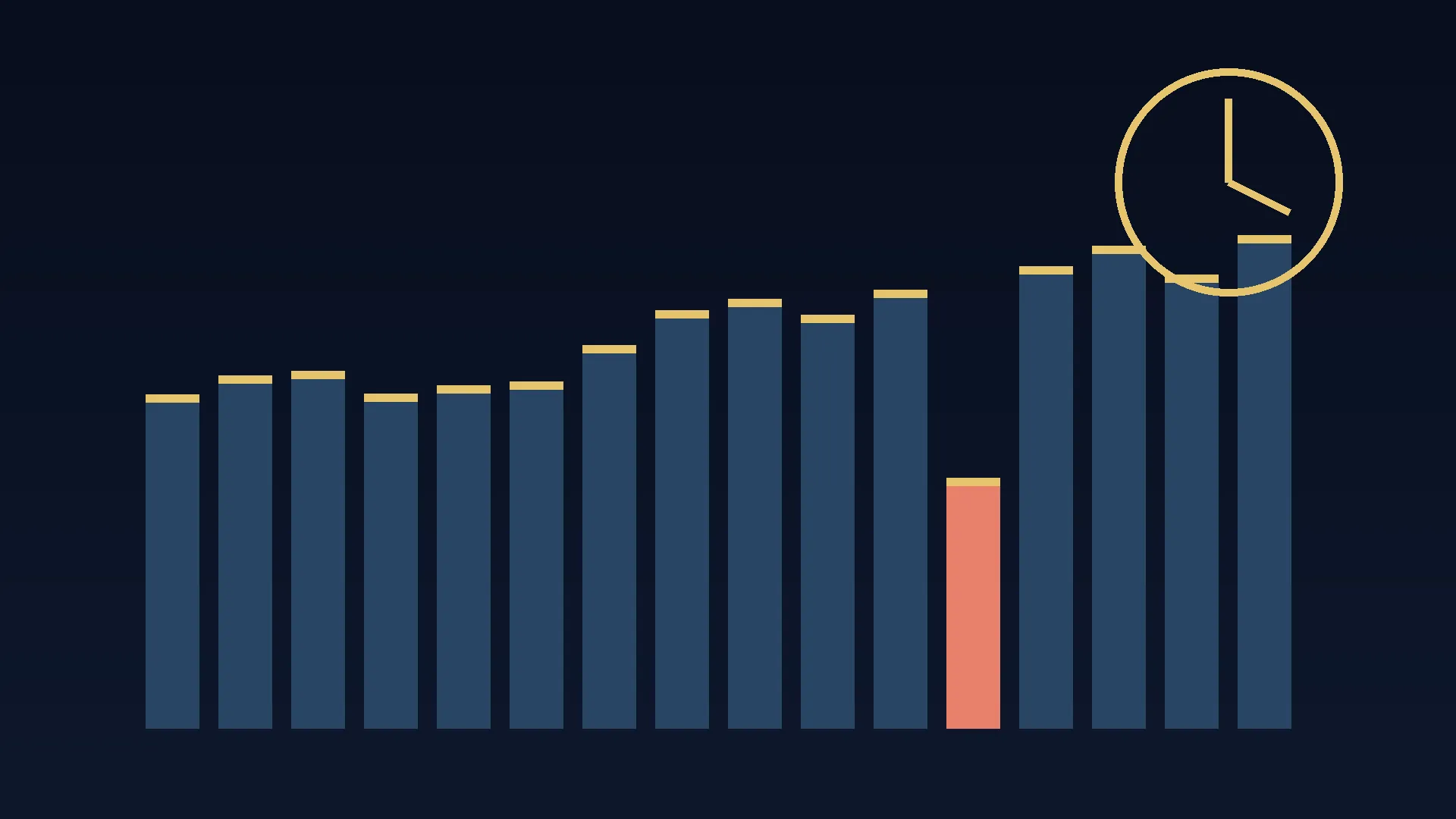
Tablewright builds an inventory of every table with its last load, how many days old it is against its target, and the change in rows since the previous load. A fall of more than 20 percent, or another threshold the user picks, is flagged, as are columns added or removed between loads, tables with no owner and tables with no freshness target.
Issues are listed worst first, starting with stale tables. Each table has a row history and can carry notes, and every import and note is kept in a hash-chained journal in the browser, so the record can be checked but not quietly rewritten. The tool does not connect to databases; it reads the log the business provides.
Plans are listed at US$199 a month or US$1,990 a year. Online checkout is not open yet; buyers request access by email.
Details are on the Tablewright Ledger page, with pricing on the access page.