ARQS has released Portwright Ledger, catalogued as KODE-422, a browser tool for small software teams and online businesses that pay for several outside APIs and want one record of what they use and what it costs.
Users import daily usage exports with a date, API and call count, plus optional endpoint, key label, error count, p95 latency and cost. A second import holds the key register: each key’s label, API, owner, creation and expiry dates and scopes. Portwright stores labels only and refuses rows that look like a live secret key.
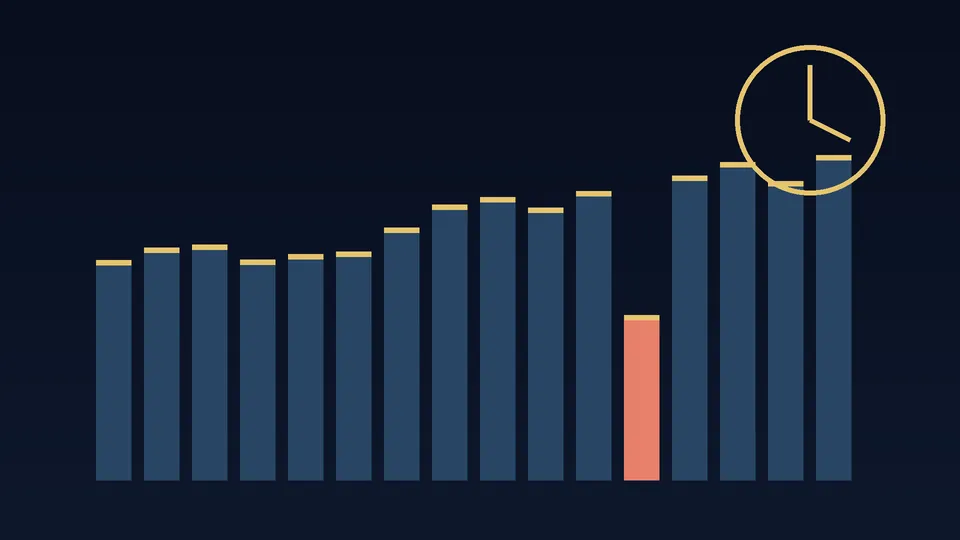
The ledger shows calls, error rate, worst p95 latency, spend and cost per 1,000 calls for each API over any period, a monthly spend trend and the busiest endpoints. APIs with an error rate above 2 percent, or latency above a target the user picks, are flagged.
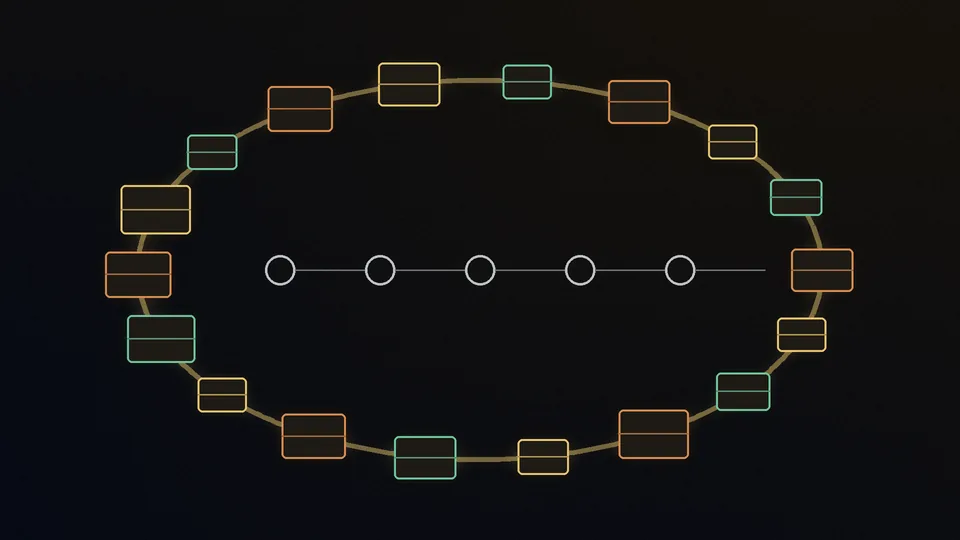
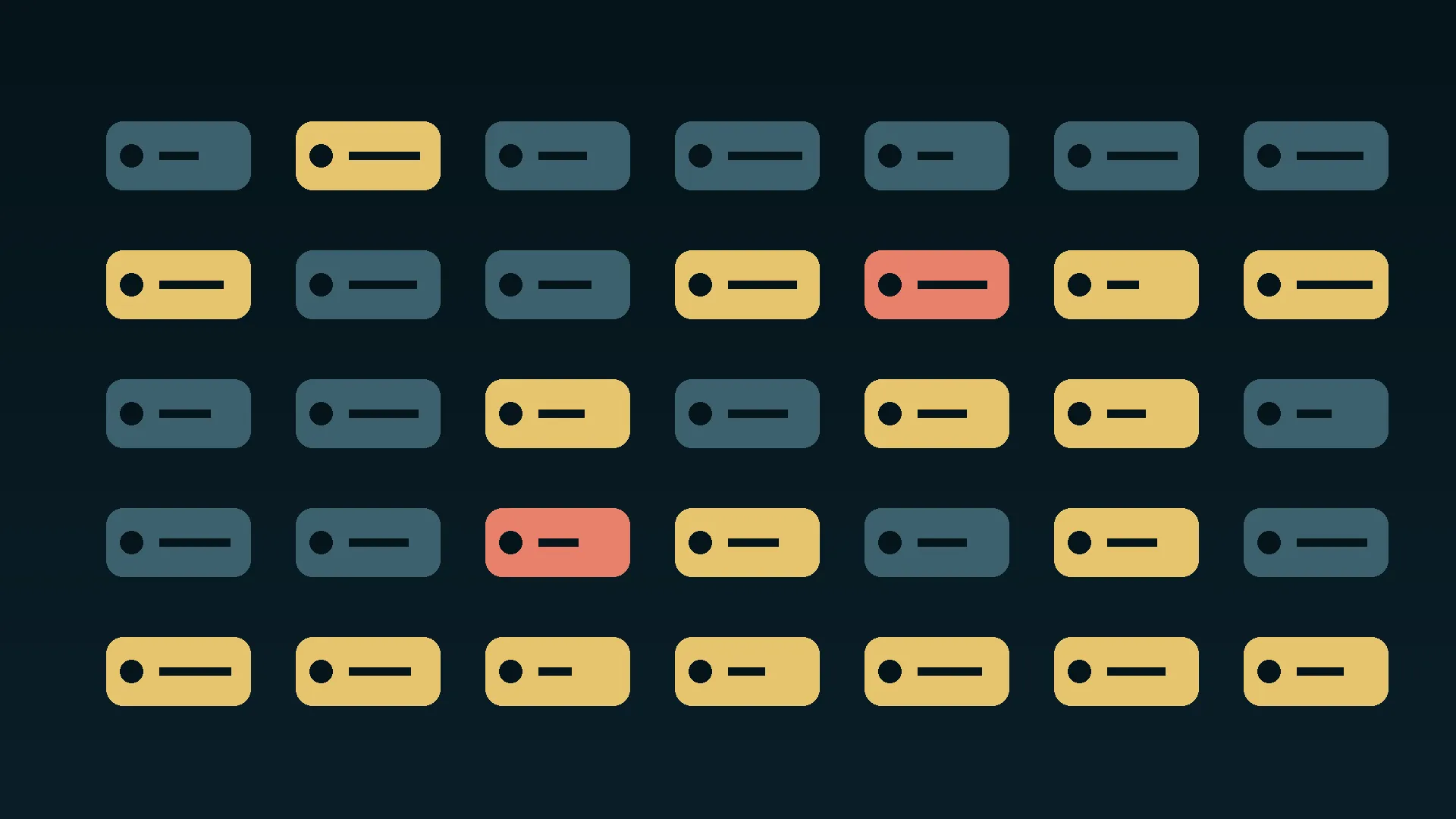
The key register lists expired keys and keys expiring within 30 days first, along with keys that have no owner, no expiry date or no recorded use in 30 days, and keys that appear in usage exports but are missing from the register. Rotations are logged with a new expiry date, and every import and rotation is kept in a hash-chained journal in the browser. The tool does not call any API or read billing data by itself.
Plans are listed at US$199 a month or US$1,990 a year. Online checkout is not open yet; buyers request access by email.
Details are on the Portwright Ledger page, with pricing on the access page.