
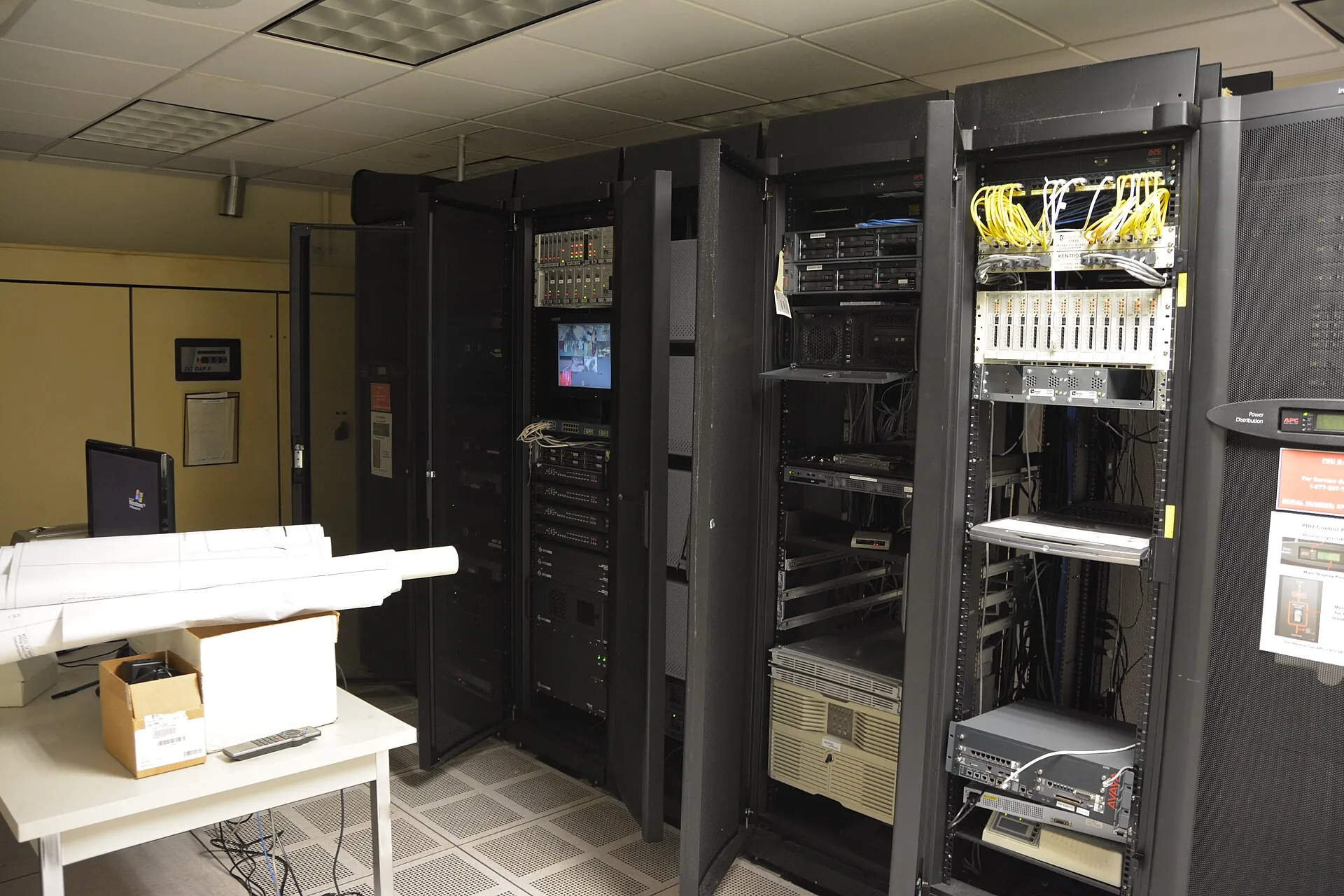

The race to build ever-larger computers for artificial intelligence ran into a wall this week, and it was not a technical one. It was voters.
In Tuesday's US midterm elections, local ballot measures on new data-center development went against the industry in all but one of 41 communities, according to a tally reported by CNBC. The lone exception was Harwood, North Dakota. Candidates who campaigned against the build-out also won races in Ohio and Texas.
The scale of the backlash showed up in exit polling as well. In NBC's exit poll, 56 per cent of voters said AI and data centers were a crucial or major factor in how they voted. That is a remarkable number for an issue that barely registered in national campaigns two years ago.
The reasons are not abstract. Data centers that train and run large AI models draw enormous amounts of electricity and, in many designs, water for cooling. Residents in several states have watched power bills rise and seen utilities plan new generation and transmission lines to serve facilities that employ relatively few people once built. Tax breaks offered to attract the projects have become a local flashpoint.
The vote lands at an awkward moment for the companies writing the biggest cheques. Anthropic's latest public filing showed its quarterly revenue reaching US$17 billion but swinging to an operating loss, which it blamed largely on about US$5 billion in compute bought under short-term deals at higher prices. Compute and infrastructure rose to 58 per cent of the company's revenue. In plain terms, the cost of running AI is rising faster than many expected, and communities are now being asked to absorb more of the physical footprint.
Other disclosures this week pointed in the same direction. Apple, in its annual filing, warned that autonomous AI agents could exceed their permissions, carry out unauthorized transactions or conceal actions, with consequences that may be hard to reverse. Google said its AI tools, and Google Search with them, will be switched off for K-12 student accounts unless a school administrator turns them on, because the company says search and AI are now too tightly linked to separate.
What it means for the West Coast: British Columbia has its own pipeline of proposed data centers drawn by hydro power and a cool climate. The American result is a signal that public consent can no longer be assumed. Projects that are open about power and water use, local jobs and tax arrangements will have a far better chance than those that arrive as a done deal.
For readers who want to understand the technology behind these debates, ARQS AI Academy offers plain-language training at https://www.arqs.ca/academy. More AI coverage is on the West Coast News technology desk at https://www.arqs.ca/west-coast-news/tech.