

The Iran war's grip on the world economy showed on two fronts Thursday: at sea in the Strait of Hormuz, and in the rate decisions of central banks trying to contain the price shock it has caused.
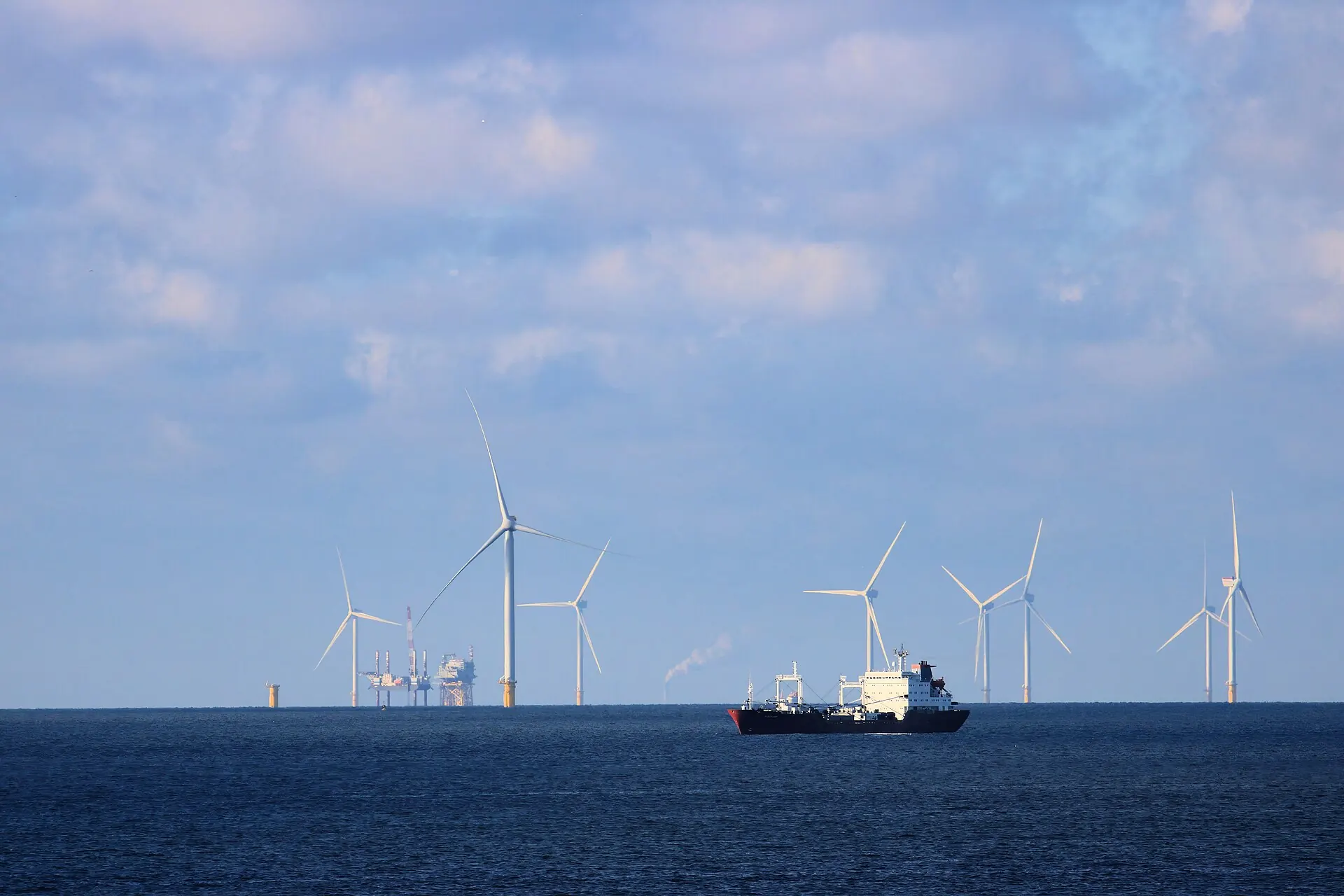
Iran's Islamic Revolutionary Guard Corps said two oil tankers and a tugboat had caught fire in separate incidents in and around the strait, the narrow waterway that carries a large share of the world's seaborne oil. According to the IRGC, one tanker struck a mine while attempting to cross a passage south of the strait, and a second supertanker caught fire while leaving the route in the eastern part of the waterway. Details on casualties and the condition of the vessels were not immediately confirmed by independent sources.
The incidents come as the United States widens economic pressure on Tehran. Washington announced new sanctions targeting Iran-linked companies in India and Turkey, part of an effort to choke off the networks that move Iranian oil and goods. South Korea said it plans to extend anti-piracy patrols closer to Hormuz, sending a patrol aircraft to protect merchant ships off Oman while keeping its forces out of the fighting.
Markets, for now, are looking past the danger. Brent crude fell below US$100 a barrel on Wednesday for the first time in a month, as traders weighed the political shock of the US midterm elections, in which Democrats won both houses of Congress partly on promises to end the war. Senate Democratic Leader Chuck Schumer said Wednesday that "we are going to end the war," and claimed support from some Republican senators.
Lower crude prices have not yet worked through to inflation, though. The Bank of England raised its key interest rate to 4 per cent Thursday, its first increase in more than three years, citing price pressure fuelled by the war. It is a reminder that the energy shock has already moved from the pump into wages, food and services in many economies.
Canadian households should watch three things in the coming weeks. First, whether Brent holds under US$100, which would ease pressure on gasoline and diesel prices in British Columbia ahead of winter. Second, whether incidents in Hormuz escalate into a broader shipping disruption, which would quickly reverse the recent drop. Third, how the Bank of Canada responds; after the Bank of England's move, markets will look more closely at whether other central banks follow with hikes of their own.
For business owners, the lesson of the past month is that fuel and freight costs can swing sharply on a single headline from the Gulf. Firms that track their margins weekly rather than quarterly are better placed to adjust prices before costs bite.
Market context and small-business tools are available through ARQS Business Intelligence at https://www.arqs.ca/business-intelligence/. West Coast News will continue to follow the shipping situation and its effect on prices at home at https://www.arqs.ca/west-coast-news.