
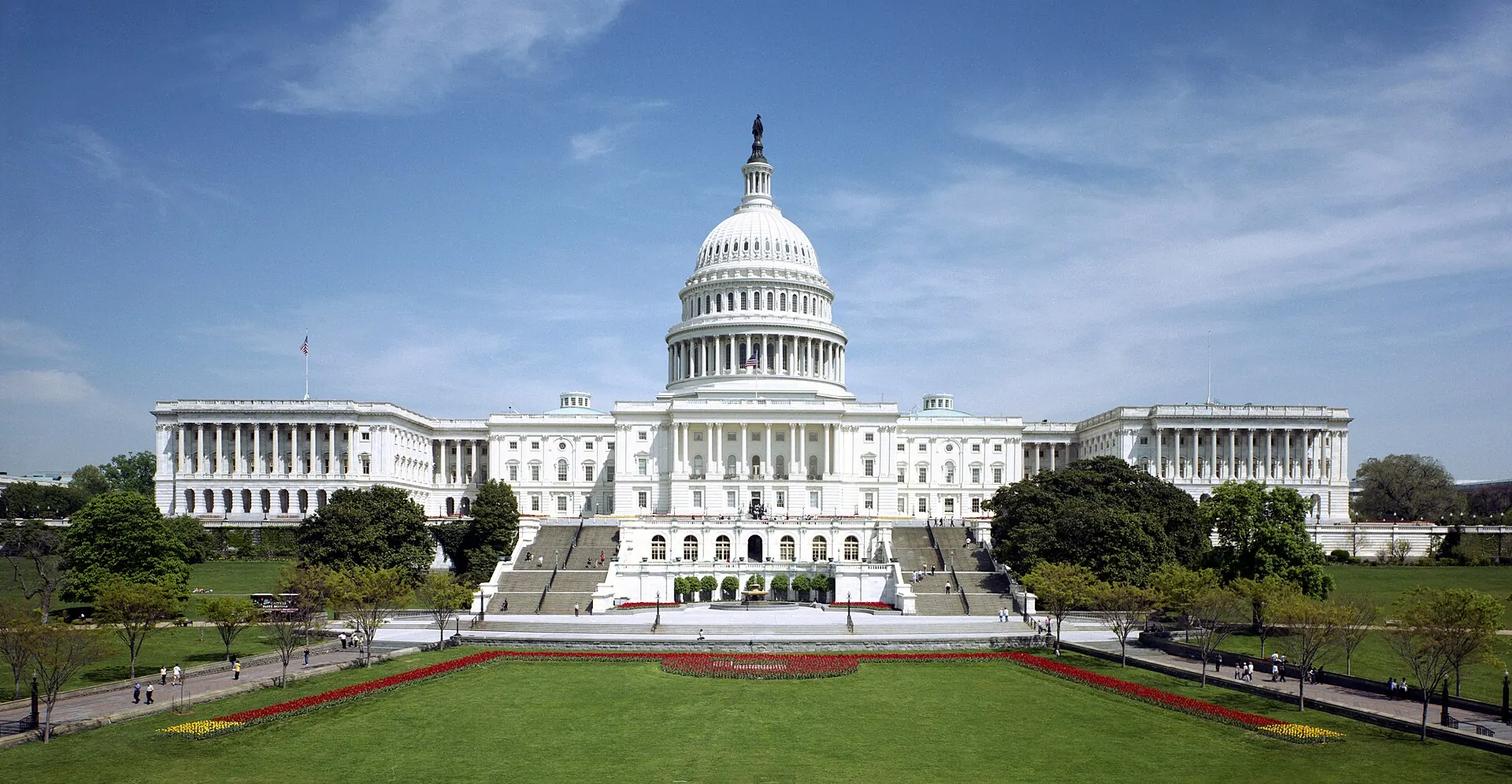

Washington woke up to a different balance of power this week. Democrats won control of both the House of Representatives and the Senate in Tuesday's midterm elections, flipping seats in states that have voted Republican for decades and delivering the sharpest rebuke of a sitting president's party in a generation.
With most races called by Wednesday, Democrats held at least 54 Senate seats, counting two independents who sit with them, against 44 for Republicans. That is a net gain of seven. Races in Alaska and Mississippi were still undecided. In the House, Democrats had gained at least 30 seats and passed the 218 needed for a majority, with network projections putting their final total anywhere from about 240 to the high 260s once counting ends.
The map is what stunned analysts. Texas elected James Talarico as its first Democratic senator since 1988 and chose Gina Hinojosa as its first Democratic governor in more than 30 years. Kansas, where farmers have been squeezed by diesel prices and tariffs, will send Democrat Adam Hamilton to the Senate for the first time in over 90 years. Iowa, South Carolina and Ohio also produced Democratic upsets. Analysis of the House popular vote showed a Democratic margin of about 13 points, the widest since the post-Watergate election of 1976.
Exit polling and campaign messaging pointed to the same drivers: the cost of living, the US-Iran war's role in pushing fuel and food prices higher, and concerns about corruption in government. Even mid-decade redistricting pushed by the White House to add Republican seats in Texas and elsewhere was not enough to hold the line.
The fallout began within hours. House Speaker Mike Johnson is expected to step aside as Republican leader. Vice-President JD Vance blamed the losses on the Iran war, while President Trump said his party lost because he was not on the ballot, and spent his first public appearance after the vote touring construction of the new White House ballroom.
Democratic leaders have signalled they intend to use their new majorities aggressively. Senate Democratic Leader Chuck Schumer said "we are going to end the war" with Iran and claimed support from some Senate Republicans. He also promised close oversight of the administration. Not every incoming Democrat wants a two-year investigation marathon, however; Hamilton told reporters he does not want to spend his term "in trials."
For Canada, and British Columbia in particular, the result matters in practical ways. A Democratic Congress gains leverage over trade policy, tariffs and war funding, all of which feed directly into fuel prices, lumber, energy exports and the cross-border auto sector. Expect fresh fights over appropriations, war powers and tariff authority when the new Congress is sworn in in January.
The new majorities do not take office until January, so the next two months will be a lame-duck period in which the outgoing Republican Congress still holds the gavel. Watch for last-minute spending deals and any attempt by the White House to lock in policy before the handover.
West Coast News will keep tracking the remaining Senate calls and what the new Congress means for Canadian trade. For daily coverage, follow the paper at https://www.arqs.ca/west-coast-news, and for business and market context see ARQS Business Intelligence at https://www.arqs.ca/business-intelligence/.